1. List all the key concepts in your study: Think of your PhD as cooking an elaborate dish. You don’t just barge into the kitchen and start chopping. You begin by listing ingredients. So, list every concept even vaguely related to your research. If you’re working on inclusiveness in schools, then terms like learning disability, marginalised groups, special education and so on are your onions, tomatoes, and secret masalas. The more precise your list, the richer your reading.
2. List the concepts similar to the variables of your study: Now, take that list and expand it like you’re looking for synonyms on steroids. If you’re studying wellbeing, explore terms like happiness quotient, school adjustment, emotional intelligence, mindfulness. This is like looking through the cousin-family of your keyword. You’ll find ideas you didn’t even know were part of your guest list.
3. Differentiate between similar concepts: Here’s where the real intellectual fun begins. “Attitude” isn’t “disposition.” “Belief” isn’t “mindset.” These are not interchangeable seasoning powders. You need to identify what you’re actually measuring, because the thesis police will not accept “vibe check” as a methodology. Clarity here saves heartbreak later.
4. Find the relationship between concepts studied in your research: Now start asking: do these ingredients mix well together, or will they curdle the soup? Studying awareness, attitude, and behaviour? See how they’ve been linked in past research. Reading widely here is like taste-testing—you may not be checking their relationship as part of your study, but you need to understand it for your clarity.
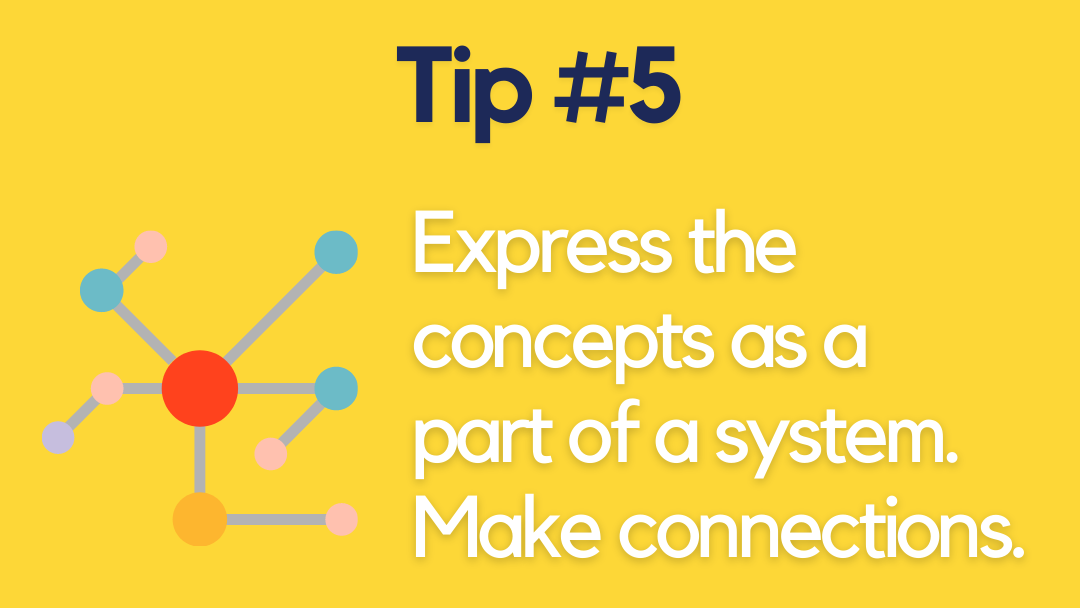
5. Express concepts as part of hierarchy: Zoom out and ask: where does this study fit in the Great Universe of Research? Is it a puzzle piece in global education, psychology, environmental science? The more you understand where your study lives (and who its academic neighbours are), the stronger your confidence in why it matters.

6. Read and understand various perspectives about your study: This is your empathy workout. If you’re researching mental health in secondary school students, you better hear from teachers, parents, students, counsellors, and even that overworked school admin. A one-sided thesis is like a selfie with half your face missing—it just doesn’t work.
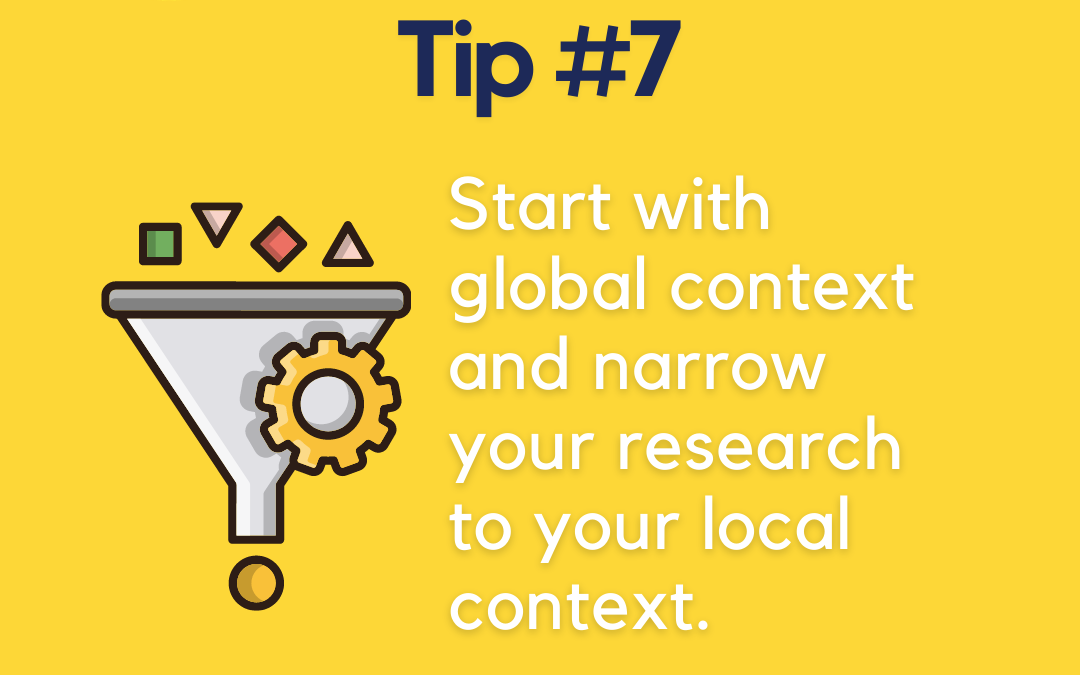
7. Go from global to local: Start with the satellite view. Read what’s being said internationally. Then land the spaceship and figure out how it fits in your backyard. Studies on climate education in Finland might be inspiring, but your fieldwork in Pune or Pondicherry has its own culture, climate, and coconut trees. The local context is what makes your research real—and useful.
Final Thoughts: Reading for your PhD isn’t about passively collecting data. It’s about discovering where your study stands, what it contributes, and how it survives peer review without giving your examiner heartburn. Do this well, and you won’t just explain your topic—you’ll own it.
If your PhD feels like a tangled knot of terms, theories, and vague intentions—don’t worry. I help researchers like you bring order to the chaos, define their scope, and finally move forward with clarity. I work 1-on-1 with serious students who are ready to stop circling and start building. Get in touch and we can discuss how we can work together.

 Fast-track Your PhD